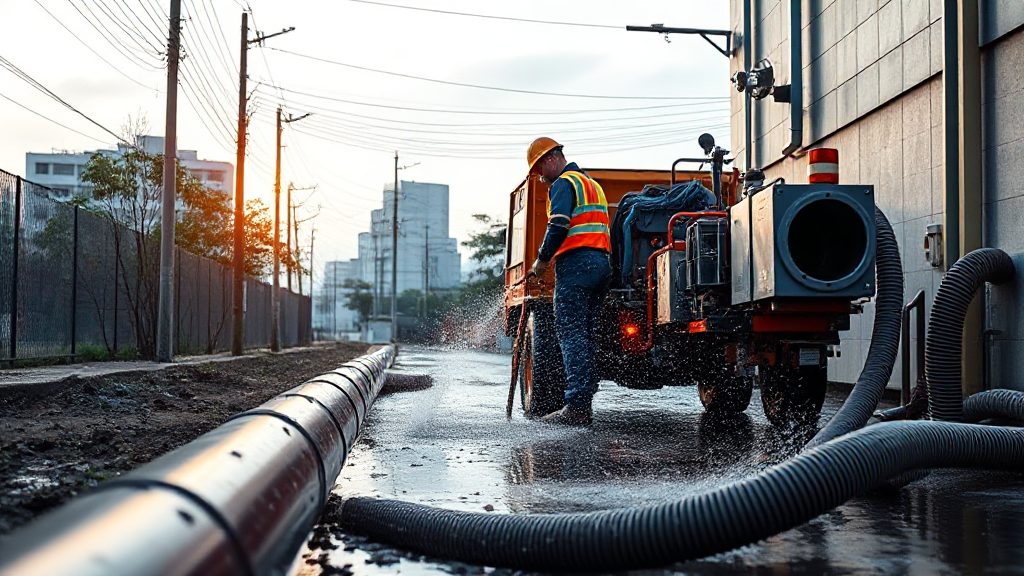
7 Things to Prepare Before You Call a Desentupidora in Taboão da Serra SP
Most people call a desentupidora Taboão da Serra SP at the worst possible moment: water is rising, the smell is unbearable, and nobody remembers where the main cleanout is. The one thing most guides leave out is that the first ten minutes of a blockage decide how long the repair takes and how much it costs. If you prepare a few details before the technician arrives, you turn a panic call into a quick, predictable service.
This scenario walkthrough is written the way I teach beginners in the trade: first the preparation, then the call, then the variations for kitchens, bathrooms, commercial kitchens and condominiums. By the end you will know exactly what to have in hand when you contact a desentupidora Taboão da Serra team.
Preparation checklist before the technician arrives
Think of this as a pre-flight check. None of these steps require tools or technical knowledge, but each one saves time and prevents damage. The goal is simple: give the team accurate information and safe access so the job starts on the right foot.
1. Identify exactly which fixtures are affected
Is it one sink, one toilet, or every drain on the ground floor? A single slow drain usually points to a local clog in the trap or branch line. Multiple fixtures backing up at the same time often mean the obstruction is in the main sewer line, which changes the equipment and the approach. Write down which fixtures fail, in what order they started, and whether the problem appears when one fixture is used or only when several run together.
Also note whether water backs up in the floor drain when the washing machine empties, or whether the toilet gurgles when the shower runs. These small clues tell the technician whether the blockage sits in a branch, a stack, or the building’s main line before anyone opens a single cleanout.
2. Locate the cleanouts and the inspection box
Every property has at least one access point: a cleanout cap, an inspection box, or a manhole cover. Find it before the team arrives. In houses, it is usually near the front wall, the sidewalk, or the lowest point of the lot. In apartments, ask the building manager where the shaft cleanouts are. Clear away plants, boxes, parked cars and floor mats so the technician can open the cap without moving furniture.
Safe access to the cleanout is the single biggest time-saver on any call. If the cap is buried, painted shut, or blocked by a car, the job stalls before it begins.
3. Stop using water and protect the area
The moment you notice a backup, stop running water in the affected fixtures. Every flush, shower, or dishwasher cycle adds volume to a line that is already full, and that is how a slow drain becomes a flooded floor. Put towels or old rags around the base of toilets and floor drains, and move rugs, cardboard boxes, and electrical cords away from the wet zone.
If the backup is near a power outlet or an appliance, switch off the circuit at the breaker before the technician starts working. This is a basic safety step that many homeowners skip in the rush.
4. Note the history of the problem
Has this drain clogged before? How often? Did it start after a specific event, such as heavy rain, a renovation, or a new appliance? A recurring blockage in the same spot is a strong signal that the pipe has a structural issue, root intrusion, or a buildup that a simple plunge will not fix. Tell the team this history when you call, because it may change the recommendation from a quick clearing to a camera inspection or hydrojetting.
If you have receipts from previous services, keep them nearby. Knowing what was done last time helps the technician avoid repeating a failed method.
5. Gather the property details
Have the full address, the floor or unit number, and the name of the person who will open the door. If you live in a condominium, confirm whether the blockage is in your private line or the building’s common line, because responsibility and access rules differ. For commercial properties, note the opening hours and whether the service can happen after closing. A desentupidora em Taboão da Serra SP that offers 24-hour emergency service can work outside business hours, which is often the best option for restaurants and shops.
Also mention any gate codes, parking restrictions, or narrow access points. Taboão da Serra has many streets with limited parking, and a hydrojetting truck needs room to operate.
6. Decide who is authorized to approve the service
This sounds bureaucratic, but it prevents a common delay. If you rent, check whether the landlord or the building manager must approve the call. If you manage a condominium, confirm the spending limit and who can authorize emergency work. The technician should be able to start as soon as they arrive, not wait for a phone approval chain.
For commercial clients, have the person responsible for the site available by phone. A quick authorization can mean the difference between a one-hour job and a lost business day.
7. Prepare questions about the diagnosis and the price
Before the work starts, ask how the technician will confirm the location of the blockage, what equipment will be used, and whether the price covers the full clearing or only the initial attempt. A professional team will explain the difference between mechanical clearing, hydrojetting, and camera inspection, and will tell you if a follow-up visit is likely. Ask for the price in writing or by message before authorizing the service.
Never authorize work without a clear scope and a stated price. A reputable company will not hesitate to put the estimate in writing.
Scenario variations and what changes in each case
The checklist above works for any call, but the details shift depending on the type of property and the kind of blockage. Here is how the preparation changes in the most common situations I see in Taboão da Serra.
House with a backed-up floor drain after rain
Rain-related backups often point to a saturated storm drain or a combined sewer line that cannot handle the volume. Before calling, check whether the backup happens only during heavy rain or also on dry days. If it is rain-only, the team may need to inspect the external line and the connection to the public network. Clear the area around the inspection box and remove any debris that could fall into the open line.
Do not open the manhole cover yourself. It is heavier than it looks, and the gas and splash risk is real. Let the technician handle it with proper equipment.
Apartment with a slow kitchen sink
Kitchen clogs are usually grease and food residue in the branch line. Before the technician arrives, empty the cabinet under the sink so the trap can be accessed, and remove dishes and cleaning products from the area. If the building has a shared vertical stack, the manager should be informed, because the blockage may affect neighbors above or below.
In apartments, the cleanout may be in a service area or a shaft that requires building permission to open. Confirm that permission before the visit to avoid a wasted trip.
Restaurant or commercial kitchen with recurring blockages
Commercial kitchens produce heavy grease loads, and a single clearing rarely solves the underlying problem. Before calling, gather the maintenance history and note the last time the grease trap was cleaned. The team may recommend hydrojetting to remove the hardened layer on the pipe walls, followed by a preventive schedule. Schedule the service outside peak hours so the kitchen can stay closed for the shortest possible time.
For businesses, a written service report is valuable. Ask whether the company provides one, including the equipment used and the condition of the line.
Condominium with multiple units affected
When several units back up at once, the problem is almost always in the common line. The building manager should gather the affected unit numbers, the time each problem started, and any recent maintenance records. Access to the shaft and the external cleanouts must be arranged in advance, and residents should be warned to stop using water until the line is cleared.
A coordinated call with the manager saves hours of door-to-door investigation and prevents unnecessary damage in lower units.
Septic tank or fossa séptica issues
Properties outside the main sewer network rely on a septic tank, and a backup there is different from a pipe clog. Before calling, note the last time the tank was pumped, whether there is a smell of gas in the yard, and whether the ground above the tank is unusually soft. Do not open the tank lid yourself. The team will need to assess the tank level and the drain field before deciding between pumping and line clearing.
If the tank has not been maintained for years, the service may include a full cleaning rather than a simple unblocking. Ask about the disposal of the collected material, which is regulated.
Emergency call at night or on a weekend
Emergencies are where preparation matters most, because there is no time to search for information. Keep the cleanout location, the building manager’s number, and the service contact saved on your phone. When you call, state clearly that it is an emergency, describe the backup in one sentence, and confirm the arrival window. Have a flashlight ready and clear a path to the affected area.
A 24-hour team can start the work immediately, but they still need access and authorization. The same checklist applies, just faster.
Comparison: which service fits which situation
| Situation | Likely service | What to prepare |
|---|---|---|
| One slow sink or shower | Mechanical clearing of the branch line | Access under the sink, history of the clog |
| Multiple fixtures backing up | Main line clearing, possibly camera inspection | Cleanout access, list of affected fixtures |
| Recurring grease clogs in a commercial kitchen | Hydrojetting plus preventive schedule | Maintenance history, grease trap records |
| Septic tank backup | Tank pumping and drain field assessment | Last pumping date, access to the tank lid |
What not to do while you wait
Do not pour chemical drain cleaners into a fully blocked line. They sit in the pipe, can damage older fittings, and create a hazardous splash risk when the technician opens the cleanout. Do not plunge a line that is already overflowing, because the pressure can force waste out of other fixtures. And do not try to open a manhole or septic tank lid without proper tools and protective gear.
Chemical cleaners are the most common mistake I see before a professional call. They rarely clear a main-line blockage and often make the working conditions worse.
Frequently asked questions
How quickly can a desentupidora arrive in Taboão da Serra?
Arrival time depends on traffic, the time of day, and the team’s schedule. Emergency services usually provide an estimated window when you call. Having the cleanout accessible and the authorization ready is the best way to reduce the total time on site.
Do I need to be home during the service?
Yes, unless someone authorized, such as a building manager or a responsible employee, can provide access and approve the work. The technician needs someone to confirm the scope and the price before starting.
Will the technician need to break the floor or walls?
In most cases, no. Modern clearing and hydrojetting work through existing cleanouts and access points. Opening the floor is a last resort when the line is collapsed or inaccessible, and a camera inspection usually confirms that need before any demolition.
How can I prevent the same blockage from coming back?
Regular maintenance helps: avoid pouring grease down the sink, use drain screens, and schedule periodic hydrojetting for commercial kitchens. If the same line clogs repeatedly, ask for a camera inspection to identify root intrusion, sagging pipes, or buildup that simple clearing cannot fix.