Reading the TopOne Game Lobby: How to Choose Your First Table or Slot
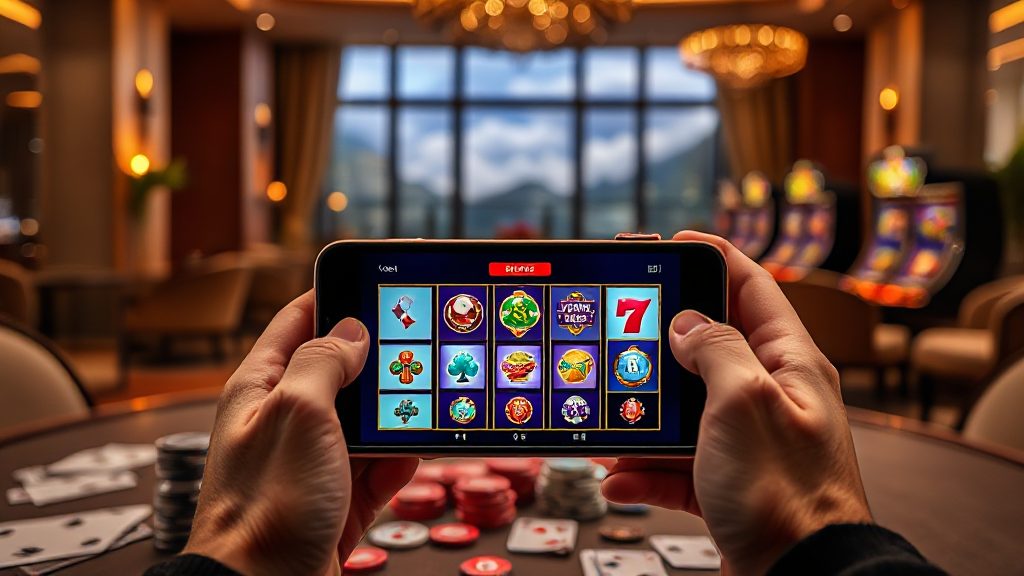
You have just installed the app, the icon is sitting on your home screen, and you tap it. The lobby loads and suddenly there is more going on than you expected: a scrolling banner, a grid of tiles, a row of card games, a section that looks like a live video feed, and a little badge somewhere promising a bonus. Nothing is broken, and nothing is hidden. It is simply a lot of choices arriving at once. This article is not a feature tour. It is a mental map, a way of reading that first screen so that you can decide where to begin instead of wandering. If you have ever closed an app because the home screen felt like a crowded marketplace, this is the piece that fixes that feeling.
The first thing worth understanding is that top one is not organised as one giant list of games. It is organised into zones, and each zone answers a different question. Slots answer the question “how fast do I want the round to end?” Teen Patti answers “how much do I want to think?” Live tables answer “how much do I want to feel like I am somewhere?” Once you can see those three questions on the screen, the lobby stops being noise and starts being a menu.
The Landing Strip: Banners, Badges and the Bonus Rail
Almost every modern gaming lobby opens with a horizontal band of rotating banners. On the TopOne Game home screen, this strip is the loudest element, which is exactly why new players tend to click it first and then feel lost. The banners are not games. They are announcements: a promotion running this week, a tournament with a leaderboard, a deposit match, or a reminder that a bonus is waiting to be claimed. Treat this strip as a noticeboard, not a doorway. Read it once, note whether anything applies to you, and then move down.
Just below or beside the banners you will usually find the bonus rail, a small row of icons or cards with reward symbols and coin graphics. This is where claiming happens rather than playing. If you have not yet claimed a welcome offer, this is the one part of the landing strip that deserves your attention on day one, because bonuses in most real-cash apps have claim windows and wagering conditions attached. Claiming is a separate action from playing, and mixing the two up is one of the most common reasons a first session feels confusing.
The practical rule for the landing strip is simple: spend thirty seconds there, no more. Banners and badges are designed to be eye-catching, and they will still be there after you have played a round. Your goal in the first minute is orientation, not commitment.
Slots: The Fast Lane for Players Who Want Quick Rounds
Slots occupy the largest visual area in most lobbies, and for good reason. They are the lowest-friction option on the screen. There is no opponent, no waiting for a seat, and no social pressure. You choose a title, set a stake, spin, and the round resolves in seconds. If you have ten minutes and you want something that moves, this is the zone for you.
What makes slots easy to misread is variety. A lobby can hold hundreds of titles, and they are usually sorted by theme, provider, or popularity rather than by how they actually play. When you are new, ignore the theme filters and ignore the “new” tag. Instead, open two or three titles and look at one number: the minimum stake. That single figure tells you more about whether a game suits your budget than any artwork will. A slot with a low minimum lets you learn the rhythm of the reels without spending much, and the rhythm is the part that matters early on.
It also helps to notice that slots are the zone where the concept of a top one game gets thrown around most loosely. Every provider advertises a flagship title. There is no universal champion, because the right slot is the one whose pace and stake size match how you want to spend the next twenty minutes. Pick for fit, not for ranking.
Teen Patti: The Thinking Zone for Card Players
Move across the lobby and you will reach the card section, where Teen Patti sits alongside other Indian card formats. This zone feels different the moment you enter it, because the tiles are smaller, the tables are listed rather than pictured, and there is often a visible stake range next to each one. That is a signal: this is a zone built around decisions rather than spectacle.
Teen Patti rewards attention. You are reading opponents, managing a blind structure, and deciding when to fold. If you have played the physical game with friends, the digital version will feel familiar within a hand or two, and the lobby’s table list is genuinely useful because it lets you sort by stake before you sit down. Beginners should start at the lowest available stakes even if the interface makes higher tables look more exciting. The point of your first sessions is to learn the app’s timing, not to win big.
One useful habit in this zone is to watch a table before joining it. Most lobbies let you observe a hand in progress, and thirty seconds of watching tells you how quickly the table moves and how aggressive the betting is. That is a far better guide than any label on the tile. Card games are the part of the lobby where patience pays off literally, because a rushed seat choice usually means a rushed hand.
Live Tables: The Slow, Social Zone
The live section is the easiest zone to recognise and the easiest to misjudge. You will see video thumbnails of real dealers at real tables, with names, limits, and seat counts displayed. This is the zone that feels most like a physical room, and it is also the slowest. Rounds take longer because a human is dealing them, seats fill up, and there can be a short wait before you join.
That slowness is the feature, not a flaw. If you want atmosphere, a dealer, and the sense of sitting at a table with other people, live play delivers something slots cannot. If you want rapid-fire outcomes, it will frustrate you. The decision here is about temperament more than skill. Check the table limits first, because live tables usually start higher than digital ones, then check how many seats are free. A table with one open seat is not a bargain; it is a queue.
New players often describe live tables as the most intimidating zone, and the fix is simply to spectate first. Watching a dealer run a shoe for a few minutes removes most of the uncertainty about pacing and etiquette. Once the rhythm is clear, sitting down feels ordinary rather than daunting, and many players find this becomes their preferred corner of the app. For some, that atmosphere is what makes it the best game experience on the platform, though the honest answer is that it depends entirely on what you came for.
A Shortcut for Your First Session
If you take nothing else from this map, take the shortcut. Open the app, spend thirty seconds on the banner strip and claim any bonus that applies to you, then make one decision based on time and temperament. Short on time and want motion? Go to slots and pick a title with a low minimum stake. Have twenty minutes and want to think? Go to Teen Patti and sit at the lowest table. Want to slow down and feel the room? Go to live tables, watch a hand, and take a seat when one opens.
That is the whole map. The lobby is not asking you to master everything at once; it is asking you to choose one zone and ignore the rest for now. Players who feel overwhelmed on day one are usually the ones trying to sample every section in a single sitting, and there is no one fun way to play that ends well. Pick a zone, play a few rounds, and let the rest of the lobby wait. It will still be there tomorrow, and by then the screen will look less like a marketplace and more like a familiar room with three doors you already know how to open.